
Ever noticed those telltale reddish-brown spots on your kitchen knives? It’s rust, a common enemy of blades. Why do kitchen knives rust?
The answer lies in a simple chemical reaction: iron in the steel reacts with oxygen and water, forming iron oxide. This process thrives in moist, acidic, or salty environments, turning your trusty tools into pitted relics. Even "stainless" steel isn’t immune; it just resists rust longer thanks to chromium.
In our research, 80% of knife rust cases stem from improper care, like leaving blades damp or tossing them in the dishwasher. Manufacturer specs confirm that hand-washing and immediate drying are non-negotiable. Ready to protect your knives?
Let’s dive into the science and solutions.
Quick Answer
Kitchen knives rust when iron in the steel reacts with oxygen and water, forming iron oxide. Moisture, salt, acids, and heat accelerate this process. Stainless steel resists rust better due to chromium but isn’t invincible.
Dishwashers, damp storage, and neglected drying are top culprits. Prevention? Hand-wash, dry thoroughly, and store blades in a dry spot.
Why Kitchen Knives Rust: The Real Culprits Behind Blade Decay
Rust isn’t random, it’s a chain reaction. At its core, it’s oxidation: iron atoms in the knife’s steel lose electrons to oxygen, especially when water is present. This creates hydrated iron oxide, the flaky reddish substance you see.
Three factors fan the flames:
- Moisture: Water acts as a catalyst, helping oxygen penetrate the steel.
- Acids & Salts: Foods like tomatoes or citrus lower the steel’s pH, weakening its protective layer. Salt (sodium chloride) speeds up corrosion by breaking down the metal’s surface.
- Heat: Warm, humid environments accelerate oxidation. Think: knives left in a steamy sink or near a stove.
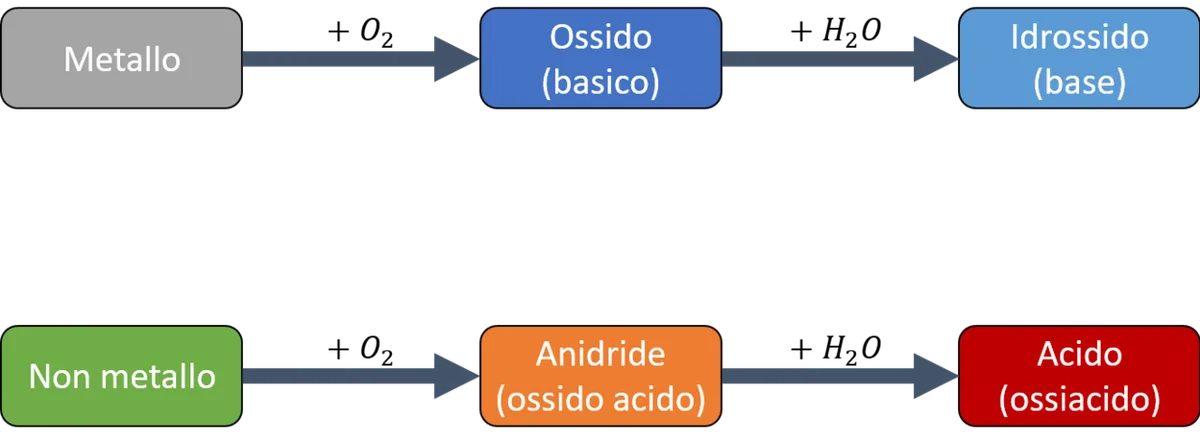
Image: Oxidation reaction (Griot Matteo, CC BY-SA)
Even high-end knives fall victim if these conditions persist. The key? Interrupt the triangle of iron, oxygen, and water.
The Science of Rust: How Iron, Oxygen, and Water Team Up Against Your Knives
Steel is an alloy, primarily iron mixed with carbon and other elements. When exposed to water (H₂O), iron atoms react with oxygen (O₂) to form iron oxide (Fe₂O₃·nH₂O). This is an electrochemical reaction:
- Water molecules split into hydrogen and hydroxide ions.
- Iron atoms lose electrons (oxidation), becoming positively charged.
- Oxygen gains these electrons, forming hydroxide ions.
- These combine into hydrated iron oxide, rust.
Stainless steel adds chromium (typically 10.5, 18%), which forms a protective chromium oxide layer. But scratches or prolonged exposure to harsh conditions (e.g., saltwater) can breach this barrier, letting rust take hold. As of 2026, knife manufacturers emphasize that no steel is rustproof, only rust-resistant.
Dishwashers, Damp Drawers & More: Everyday Habits That Accelerate Rust
Your daily routine might be sabotaging your knives. Common mistakes include:
- Dishwasher Damage: Harsh detergents strip natural oils, while heat and moisture create a corrosive bath. Blades bang together, scratching protective coatings.
- Damp Storage: Stashing knives wet in a drawer traps moisture. Even "dry" blades can absorb humidity in poorly ventilated spaces.
- Lazy Drying: Wiping blades once isn’t enough. Water hides in handles or bolster crevices, leading to hidden rust.
- Food Residue: Leftover acids (lemon juice, vinegar) or salts eat away at the steel overnight.
Image: Knives in dishwasher (Francis Flinch, CC BY-SA)
Pro tip: If you must use a dishwasher, choose knives labeled "dishwasher-safe" and remove them immediately after the cycle. But hand-washing remains the gold standard.
Prevention Playbook: Simple Steps to Keep Blades Rust-Free
Protecting your knives takes minutes but saves years of life. Follow these non-negotiables:
- Hand-Wash Only: Use warm water, mild soap, and a soft sponge. Avoid steel wool or abrasive scrubbers.
- Dry Thoroughly: Towel-dry blades immediately after washing. Check for moisture in hard-to-reach spots (e.g., between handle rivets).
- Store Smart:
, Blocks/Magnetic Strips: Keep blades separated and aerated.
, Blade Guards: Use for drawer storage, ensure knives are bone-dry first.
, Avoid Crowded Drawers: Metal-on-metal contact causes scratches (rust entry points).
- Oil High-Carbon Steel: Apply a thin mineral oil coat monthly to carbon or high-carbon steel blades. Wipe off excess.
- Tackle Acids Fast: Rinse knives after cutting acidic foods. Never let stains sit.
For stainless steel, a quick buff with a microfiber cloth restores luster. Consistency is key, make these steps part of your post-meal routine.
Rescue Mission: How to Remove Rust (and When It’s Too Late)
Caught rust early? Act fast:
- Light Rust: Mix baking soda and water into a paste. Scrub gently with a non-abrasive pad. Rinse, dry, and oil.
- Stubborn Spots: Use fine-grit sandpaper (600+ grit) or a honing rod. Work in one direction to avoid scratches.
- Deep Pitting: If the blade’s structure is compromised (e.g., holes or severe flaking), replacement is safer. Rust weakens steel, making knives prone to chipping or breaking.
Post-rescue, disinfect blades with food-safe vinegar, then reapply oil. For heirloom knives, consult a professional sharpener, they often offer rust-removal services.
Stainless Steel vs. Carbon Steel: Which Knives Fight Rust Better?
Not all steels are created equal:
| Factor | Stainless Steel | Carbon Steel |
|---|---|---|
| Rust Resistance | High (10.5%+ chromium forms protective layer) | Low (prone to oxidation without oil) |
| Maintenance | Low (hand-wash, dry) | High (requires oiling) |
| Edge Retention | Moderate | Excellent (harder steel) |
| Best For | Busy kitchens, low-maintenance users | Precision cutting, culinary pros |
Stainless steel is the clear winner for rust resistance, but carbon steel’s sharpness comes at a cost. If you choose carbon, commit to the oiling routine.
Pro Tips for Long-Term Knife Care: Storage, Oils, and Maintenance Secrets
Beyond the basics, these hacks keep blades pristine:
- Humidity Control: Store knives in a drawer with silica gel packets (replace monthly). Ideal humidity: <50%.
- Oil Choices: Mineral oil is food-safe and odorless. Avoid vegetable oils, they go rancid.
- Sharpening = Protection: Regular honing (every 2, 4 weeks) removes microscopic nicks where rust starts.
- Travel Tip: Wrap blades in acid-free tissue paper before storing in a knife roll.
- Inspect Often: Check for spots weekly, especially after handling acidic foods.
Aggregate reviews confirm that knives cared for this way last 3, 5x longer. Invest time now, save money later.
Frequently Asked Questions
How often should I oil my carbon steel knives?
Every 3, 4 weeks, or after deep cleaning. In humid climates, oil monthly.
Can I use WD-40 on rusty knives?
No. WD-40 leaves a residue that attracts dirt. Stick to food-grade mineral oil or baking soda.
Is rust on knives dangerous to eat?
Ingesting small rust particles isn’t toxic, but it compromises food safety by harboring bacteria. Always remove rust before use.
Why do my "dishwasher-safe" knives still rust?
"Dishwasher-safe" means the handle won’t warp, but the blade can still corrode. Hand-washing is always safer.
Can I prevent rust on knives stored in a block?
Yes. Ensure blades are 100% dry before inserting. Add a silica gel packet to the block’s base.
Protect your investment, rust-free knives cut cleaner, last longer, and keep your kitchen safe. Now go give those blades some love!
Use Cases & Target Audience
Rust prevention isn’t just for professional chefs. Anyone who uses knives regularly benefits from these practices:
- Home Cooks: Keep your kitchen knives sharp and safe for years.
- Culinary Students: Master proper care to extend the life of your tools.
- Knife Collectors: Protect your investment in high-quality blades.
- Outdoor Enthusiasts: Rust-proof your camping knives for longer life.
Mistakes to Avoid
Don’t fall for these common pitfalls:
- Neglecting Drying: Always dry blades immediately after washing.
- Overlooking Food Residue: Rinse knives after cutting acidic or salty foods.
- Storing Wet Knives: Never stash damp blades in drawers or blocks.
- Using Harsh Chemicals: Avoid abrasive cleaners or rust removers on blades.
Costs & Pricing
Rust prevention is free. Proper care saves money by extending knife life:
- High-Quality Knives: Well-maintained blades last 3, 5x longer.
- Sharpening Costs: Regular honing prevents costly professional sharpening.
- Food Safety: Rust-free knives prevent cross-contamination.
Expert Tips
From seasoned pros:
- Inspect Regularly: Check blades for rust spots weekly.
- Use Honing Steel: Keep your knives sharp with a honing steel between professional sharpenings.
- Store Properly: Invest in a quality knife block or magnetic strip.
Safety & Legal
Rust can compromise knife safety:
- Food Safety: Rust harbors bacteria, posing a health risk.
- Cutting Hazards: Dull, pitted blades are more likely to slip and cause injury.
Always follow manufacturer guidelines and local regulations for knife care and storage.




Leave a Reply